
The problem isn’t just how much electricity AI uses. It’s where we build data centers, how we power them, whose water they consume, and who pays the price.
Artificial intelligence is helping scientists track endangered wildlife, detect forest fires, and study climate change. Yet the same technology is driving demand for electricity, water, and new industrial infrastructure. Environmental organizations are increasingly facing this contradiction themselves: Can we use AI to protect the planet without contributing to its destruction?
A November 2026 Reuters report highlighted this dilemma as conservation groups acknowledged the environmental costs of the technology they increasingly depend on.
But perhaps we’re asking the wrong question. Instead of debating whether AI is good or bad for the environment, we should be asking why we’re building its infrastructure in ways that repeat the mistakes of the fossil fuel industry.
The Problem With Building Bigger
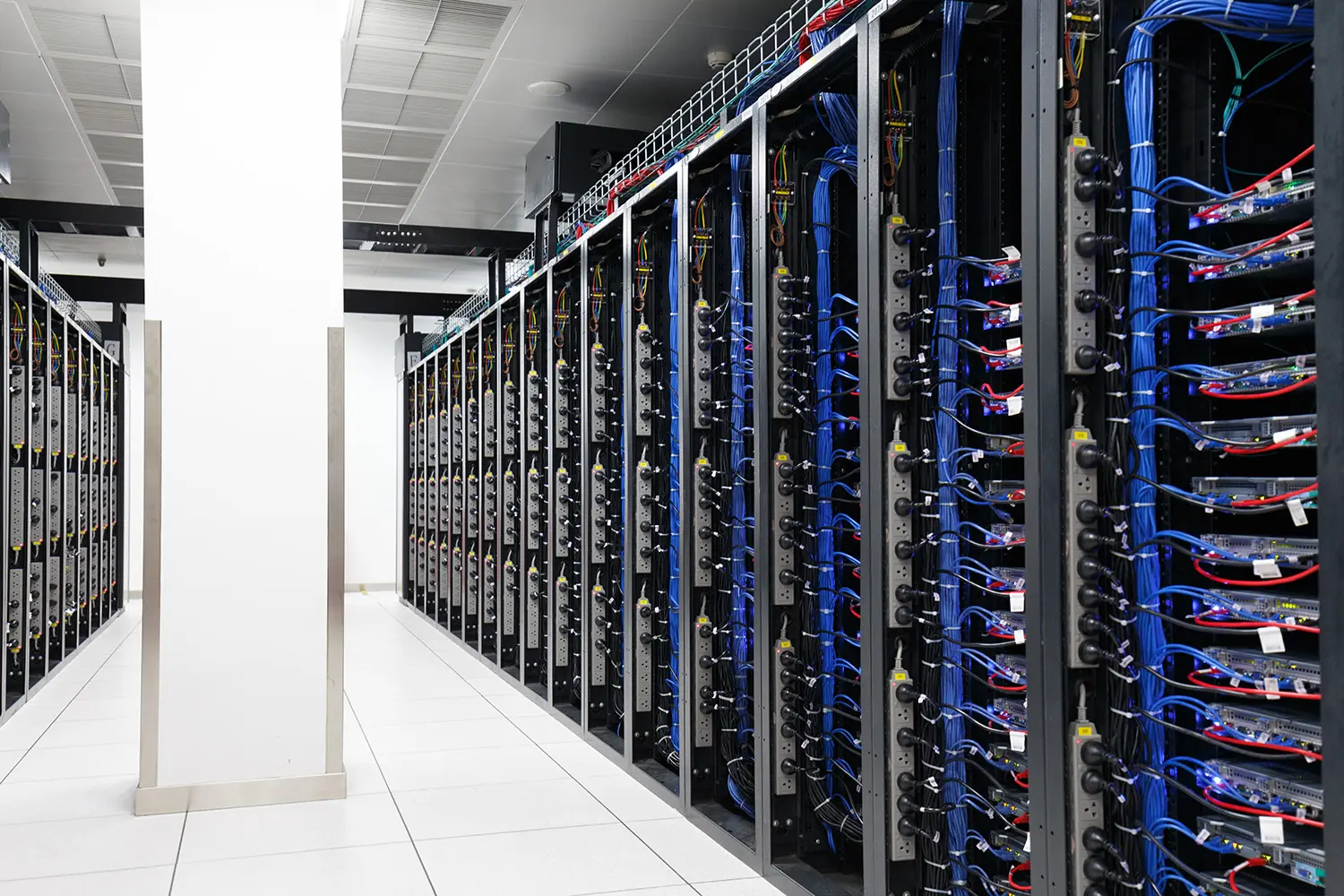
AI runs on powerful computers housed in data centers. These facilities require electricity around the clock, cooling systems to prevent overheating, and connections to electrical grids that may already be under pressure.
According to the International Energy Agency (IEA), data centers consumed approximately 415 billion kilowatt-hours of electricity worldwide in 2024, about 1.5% of global electricity use. That demand could more than double by 2030.
Technology companies are responding by developing enormous data centers, sometimes in areas where electricity and water supplies are already strained. Utilities may need to build new power plants, transmission lines, and substations to serve them.
This resembles an old development model: build large industrial facilities, secure the resources they need, and leave communities to deal with the consequences.
But AI infrastructure doesn’t have to follow that model.
Build New Clean Energy, Don’t Just Claim What’s Already There
Technology companies frequently announce that their data centers run on renewable electricity. However, purchasing renewable energy credits or matching annual electricity use with renewable purchases doesn’t necessarily mean a facility operates on clean electricity every hour.
A data center might consume electricity from a grid powered partly by fossil fuels at night while claiming renewable energy generated elsewhere during the day.
A better approach would require new solar and wind projects, supported by energy storage, that add clean electricity to the system rather than simply compete for existing supplies.
Data centers could also adjust some computing tasks to run when renewable electricity is plentiful. Not every AI calculation needs to happen immediately, and shifting flexible work away from peak demand could reduce pressure on the grid.
The goal should be to make data centers contribute to a cleaner electricity system rather than force everyone else to accommodate their growing demand.
Stop Treating Water as an Unlimited Resource
Many data centers use water to remove heat from their equipment. Some cooling systems lose water through evaporation, creating problems in regions already struggling with drought and limited water supplies.
Using treated wastewater, often called recycled or reclaimed water, could reduce the need for drinking-quality water. Other cooling systems can use less water, although some require additional electricity.
The right solution depends on local conditions. A cooling system suitable for a rainy region may make little sense in a desert.
Before approving new facilities, communities should know how much water they will consume, where that water will come from, and whether it could affect households, farms, or ecosystems.
Think Smaller, Where It Makes Sense
The electricity industry is slowly learning that producing power closer to where people use it can reduce some infrastructure needs. Rooftop solar, batteries, and community energy systems can complement large power plants.
AI infrastructure could benefit from a similar approach.
Instead of concentrating every computing task in enormous facilities, some work could happen in smaller regional data centers located in existing industrial buildings, near established electrical infrastructure, or closer to the people using the services.
This approach, sometimes called distributed computing, could reduce the need to develop untouched land and allow some data processing to happen locally.
It won’t work for everything. Training the largest AI models requires tightly connected computing equipment, and large facilities can be more energy-efficient than smaller ones.
But that doesn’t mean every AI task belongs in a giant data center. A combination of efficient large facilities and smaller regional hubs could offer greater flexibility, particularly when paired with local renewable energy.
The Missing Question: Who Benefits, and Who Pays?
There’s another problem that rarely receives enough attention.
When a technology company builds a data center, the costs don’t necessarily stop at its property line. New electrical infrastructure, water systems, and power generation can create expenses that may be shared with other utility customers, depending on local rules.
Communities deserve to know whether they are subsidizing private computing facilities through higher bills or environmental damage.
They should also have a meaningful voice in deciding where facilities are built and what conditions developers must meet.
A Better Way to Build AI
AI can help solve real problems, from improving weather forecasts to identifying threats to wildlife. But using technology for a good purpose doesn’t automatically make the technology sustainable.
We need standards that reward new clean energy, responsible water use, reuse of developed land, efficient computing, and public accountability. We also need to distinguish between AI applications that provide meaningful benefits and those that consume resources without much public value.
The rush to build AI infrastructure gives us an opportunity to rethink how industrial development happens. We can repeat the familiar pattern of concentrating resources, privatizing profits, and shifting environmental costs onto communities, or we can demand something better.
The real test of sustainable AI isn’t what the technology promises to accomplish. It’s whether the systems supporting it can operate without undermining the communities and ecosystems we’re trying to protect.
- Reuters (November 2026). Reporting on environmental organizations using artificial intelligence while acknowledging its environmental costs, including comments from Conservation International.
- International Energy Agency (2025). Energy and AI. Global data center electricity consumption, projected growth, and implications for energy systems. Read report.
- Lawrence Berkeley National Laboratory (2024). 2024 United States Data Center Energy Usage Report. Analysis of U.S. data center energy consumption and future demand. Read report.
- Google. 24/7 Carbon-Free Energy. Explains why annual renewable energy matching differs from using carbon-free electricity every hour. Learn more.
- U.S. Environmental Protection Agency. Water Reuse. Information on using treated wastewater for non-drinking purposes, including industrial applications. Learn more.
11/10/2026 – This article has been written by the FalseSolutions.Org team
Share this